

Solitaire engagement rings have defined elegance for generations. With a single centre diamond set on a clean band, this style is often seen as the most classic choice. What’s often overlooked, however, is how much nuance and design goes into creating a truly beautiful solitaire.
Rather than being plain, a well-designed solitaire is intentional. Every detail matters more because there is nothing to hide behind. The diamond, the proportions, and the setting all work together to create the final look.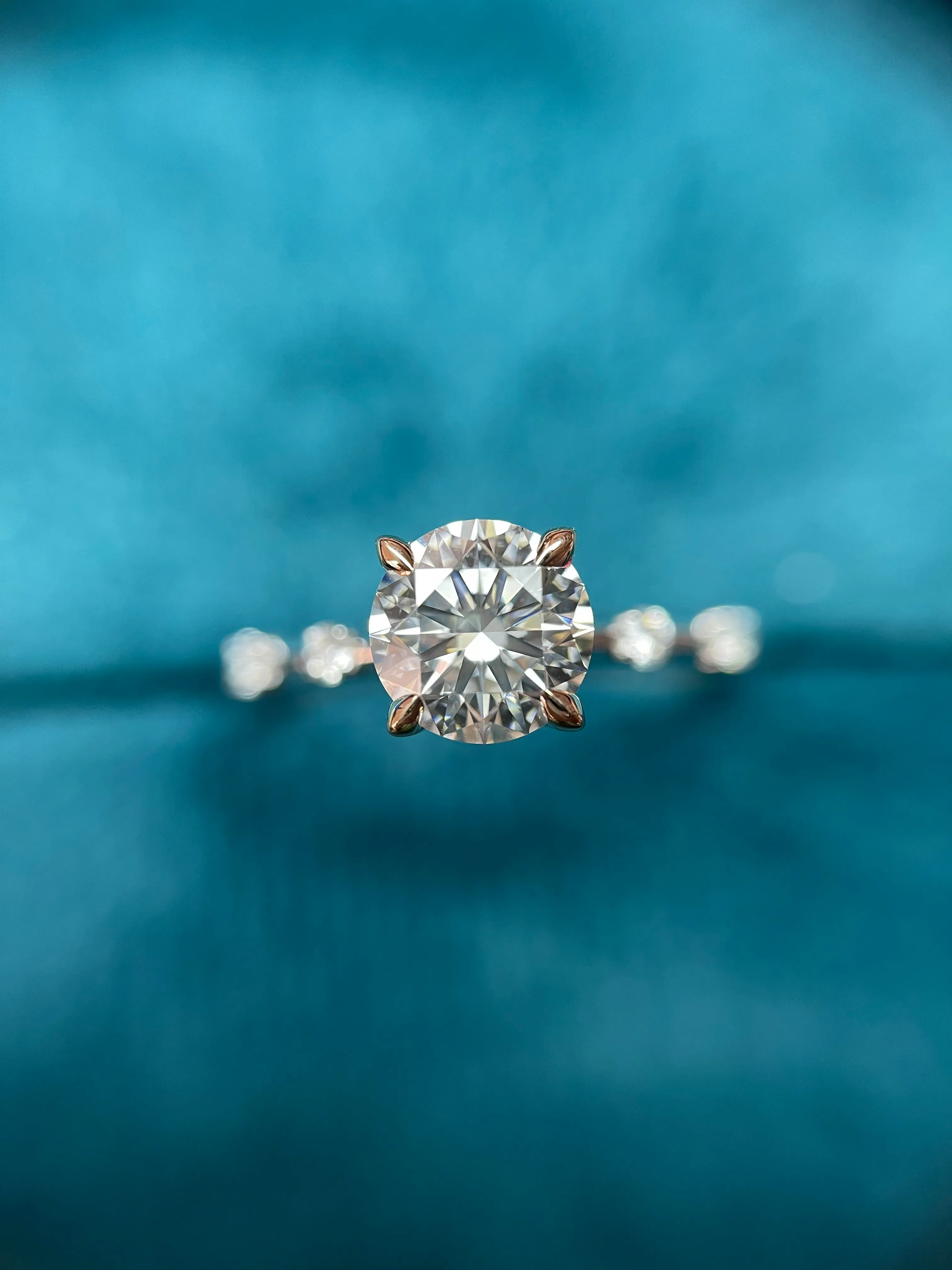
What Makes a Solitaire So Appealing
At its core, a solitaire engagement ring is about focus. With no side stones or extra embellishments, attention is drawn entirely to the centre diamond. This allows the natural brilliance and shape of the stone to stand out in a way that more complex designs may overshadow.
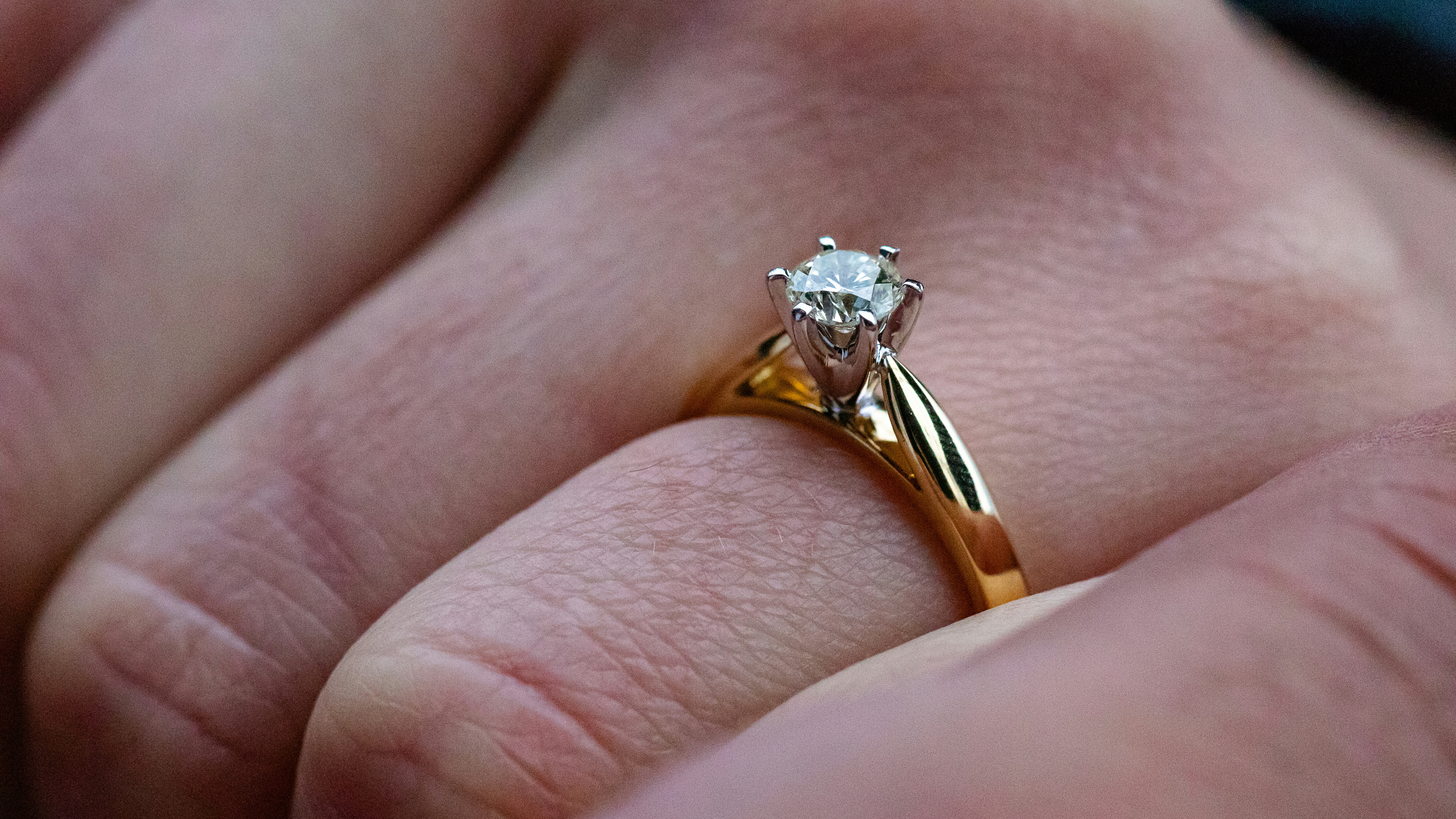
This simplicity also makes solitaire rings incredibly versatile. They pair easily with different wedding bands, adapt to changing styles over time, and suit a wide range of personal aesthetics. Whether set in yellow gold, white gold, or platinum, the overall look remains refined and balanced.
The Role of the Setting
While the diamond is the focal point, the setting plays a much larger role than most people expect. Two identical diamonds can look completely different, depending on how they are set. Height, structure, and small design details all influence the final look of the ring.
This is where modern solitaire rings have evolved. Designers are no longer limited to a basic prong setting. Instead, subtle variations are used to enhance the diamond while maintaining a clean, minimalist look.
The Classic Solitaire
The classic solitaire remains the foundation of this style. Typically set with four or six prongs, the diamond sits securely while remaining open enough to allow light to pass through. This maximizes sparkle and keeps the design feeling light and uncluttered.
This version of the solitaire is timeless because it does not rely on trends. It simply highlights the beauty of the diamond.
Hidden Halo: A Detail Beneath the Surface
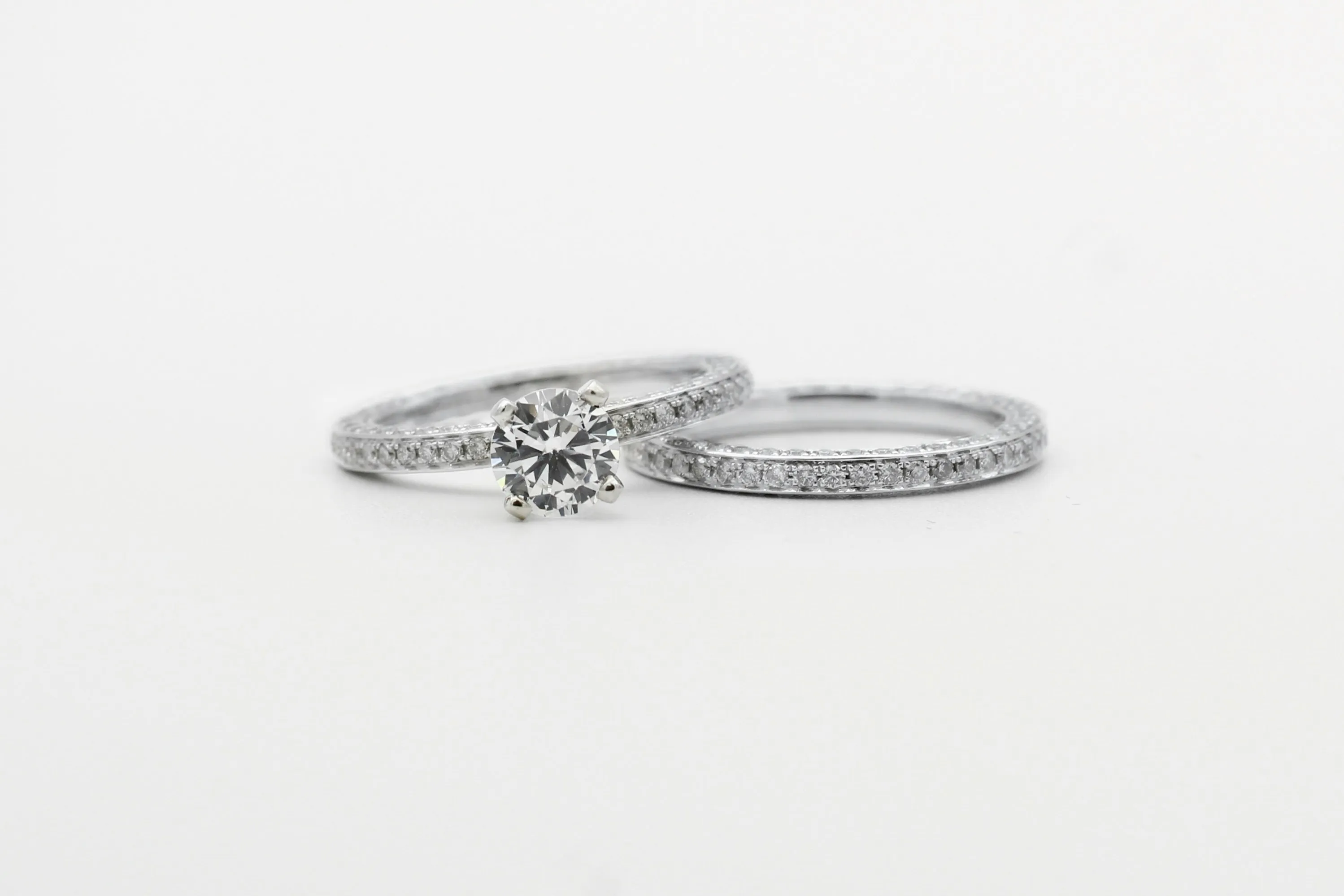
One of the most popular modern updates to the solitaire is the hidden halo. Instead of surrounding the diamond from above, a circle of smaller diamonds is placed just beneath the centre stone.
From the top, the ring still appears to be a traditional solitaire. From the side, however, it reveals an extra layer of brilliance. This small detail adds depth and interest without taking away from the simplicity of the overall design.
 Cathedral Settings: Height and Structure
A cathedral setting introduces a more architectural element to the solitaire. The band rises up in gentle arches to meet the centre stone, lifting it higher above the finger.
This added height changes the way the diamond is seen. It allows more light to enter from different angles and can make the stone appear larger and more prominent. 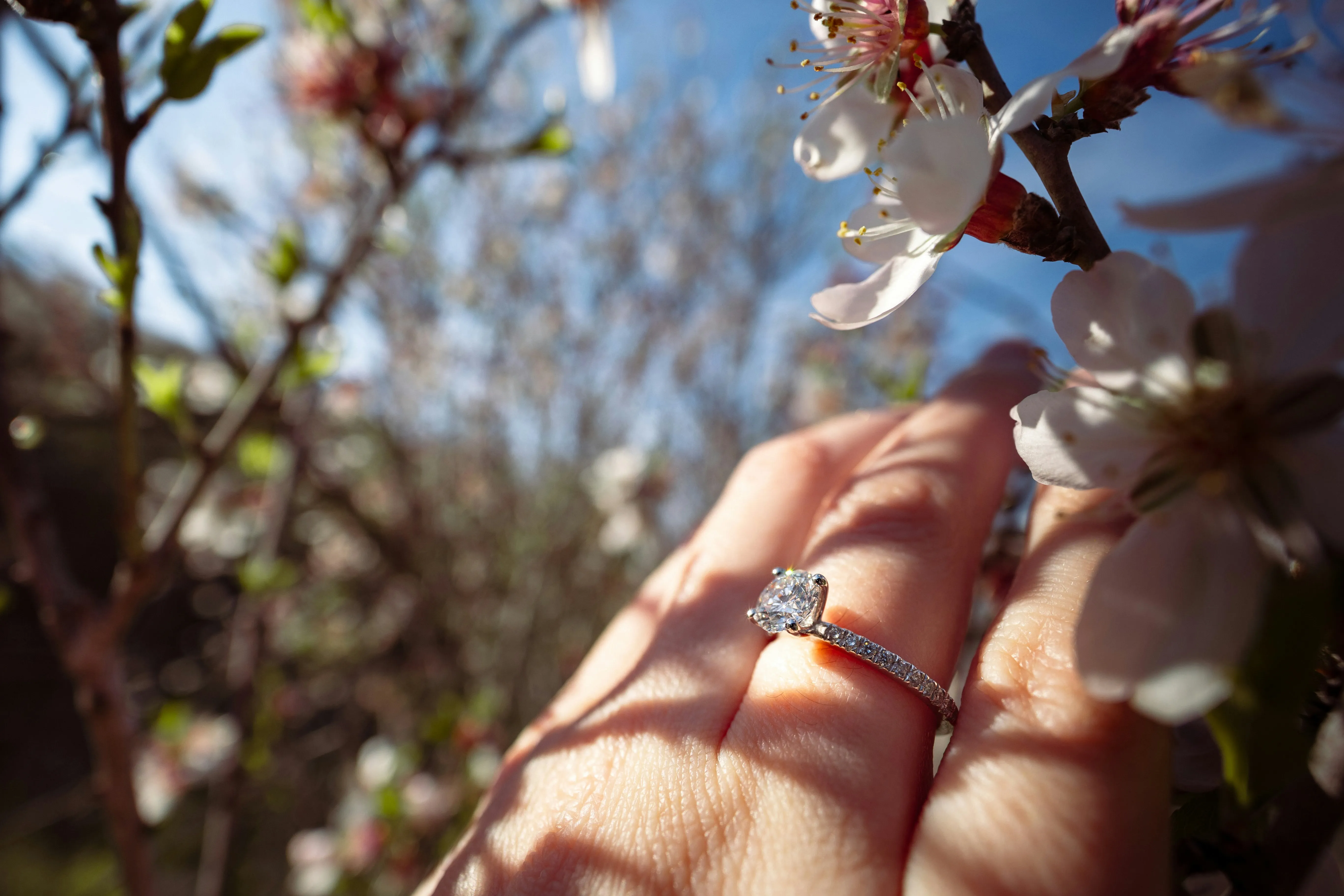
Finding the Right Balance
One of the most important considerations when choosing a solitaire ring is how high or low the diamond sits. A lower setting tends to feel more practical and secure for everyday wear, while a higher setting creates a more dramatic and elevated look.
Neither option is inherently better. The right choice depends on how the ring will be worn and what feels most comfortable over time. The beauty of the solitaire is that it can be adjusted in subtle ways to suit the wearer perfectly.
A Style That Endures
Solitaire engagement rings continue to be one of the most popular choices because they offer something that few other styles can. They are simple without being plain, and timeless without feeling outdated.
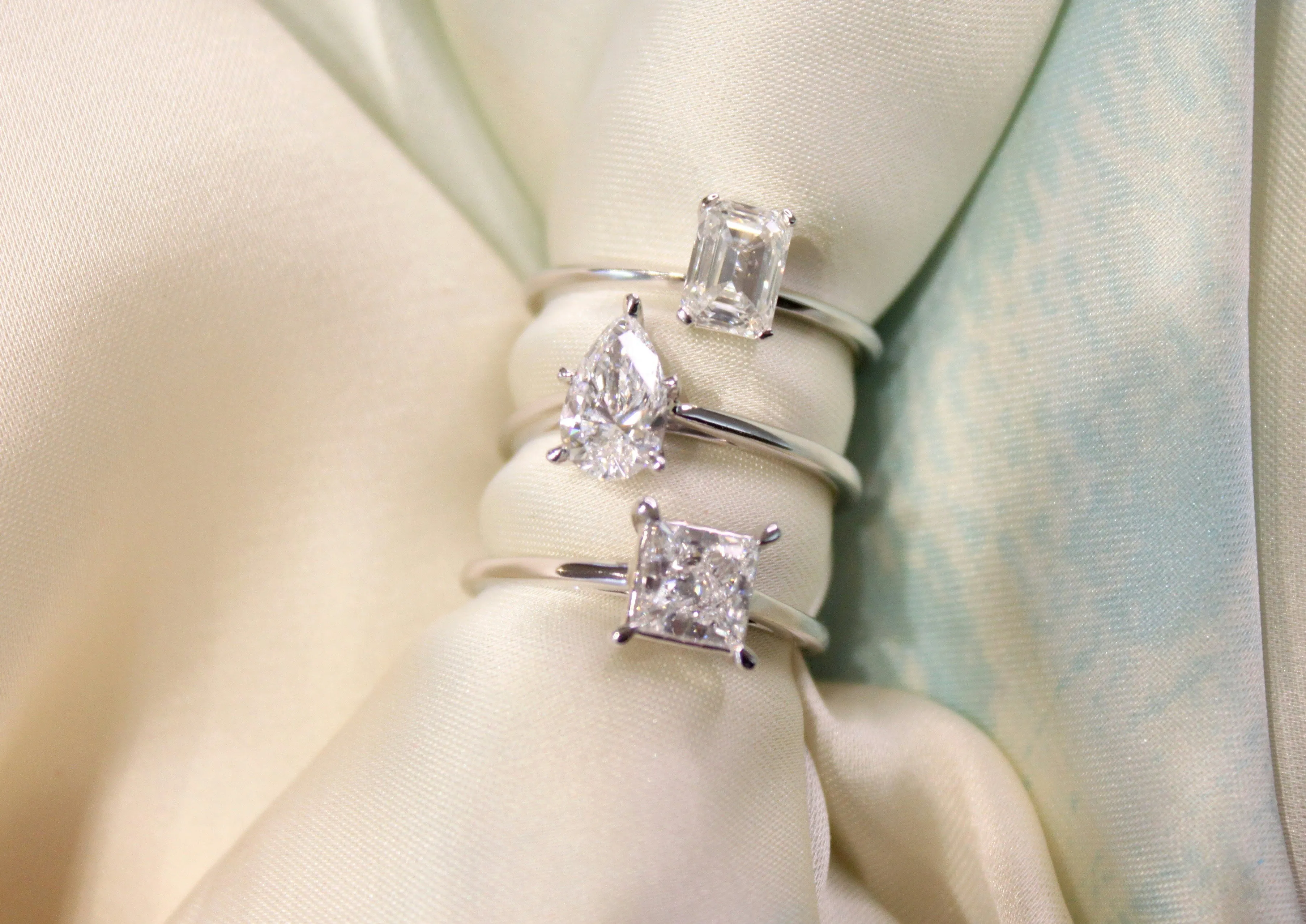
With thoughtful details like hidden halos and cathedral settings, a solitaire can be quietly customized to reflect personal style while still maintaining its classic identity.
In the end, a solitaire engagement ring is not about having less. It is about choosing a design where every element has a purpose, and where the diamond is given the space to truly shine.